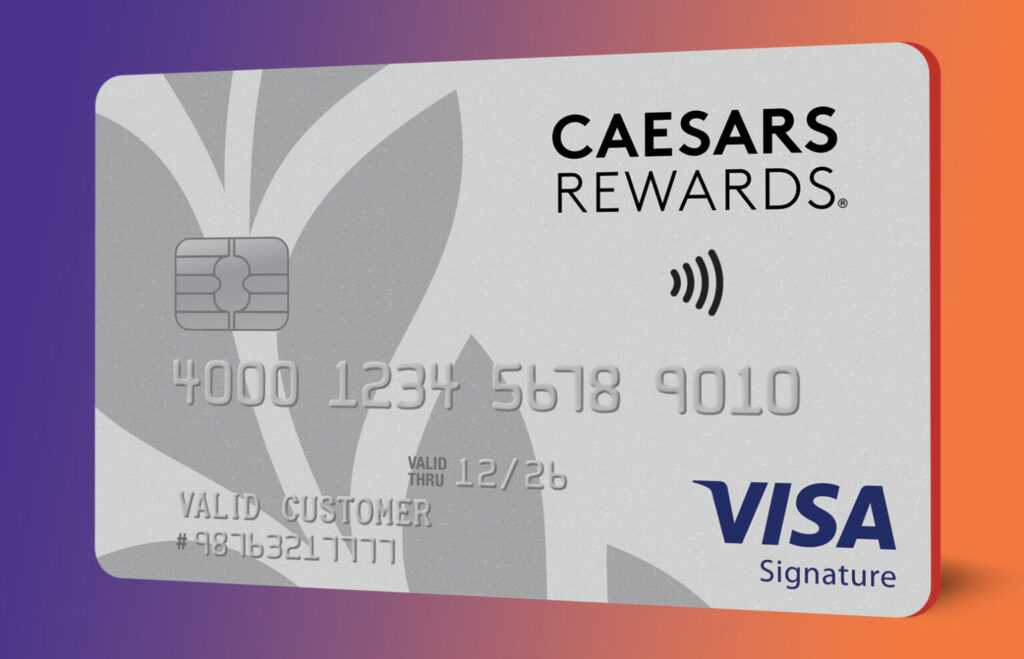
Caesars Bans Credit Card Deposits: How It Impacts International Table Games Brands
In a move that has sent shockwaves through the international table games community, Caesars Entertainment, one of the industry’s giants, has announced a sweeping ban on credit card deposits across its online gambling platforms in the United States. This decision, which aims to promote responsible gambling practices, has significant implications for international table games brands with a presence in the lucrative American market.
Caesars’ decision to prohibit credit card deposits on its online gambling platforms is a significant shift in the industry’s landscape. The move comes as part of the company’s broader efforts to enhance player protection and align with evolving regulatory requirements in the United States. This change impacts not only Caesars’ own table games offerings but also international brands that have established partnerships or operate within the Caesars ecosystem.
The Rationale Behind the Ban
Caesars’ decision to ban credit card deposits is rooted in a growing concern over the potential risks associated with credit-based gambling. The company cites the need to provide a safer and more responsible gambling environment for its players, recognizing the inherent dangers of easy access to credit for betting activities. This aligns with the increasing focus on consumer protection and harm minimization across the global gambling industry.
Impact on International Table Games Brands
The Caesars credit card deposit ban has far-reaching implications for international table games brands with a presence in the U.S. market. Companies like DraftKings and FanDuel, which have established partnerships with Caesars, will be directly impacted by this change. These international brands will need to swiftly adapt their payment processing options and explore alternative deposit methods to ensure a seamless experience for their U.S.-based customers.
Navigating the Changing Regulatory Landscape
The Caesars credit card deposit ban is just one example of the evolving regulatory landscape in the United States. As the country continues to grapple with the complexities of online gambling, international table games brands must stay vigilant and proactive in addressing these changes.
Adapting to New Payment Processing Requirements
The Caesars decision highlights the need for international table games brands to diversify their payment processing options in the U.S. market. While credit cards have traditionally been a popular choice for deposits, the ban necessitates the exploration of alternative payment methods, such as e-wallets, bank transfers, and even cryptocurrency-based solutions. Adapting to these changes will be crucial for international brands to maintain a competitive edge and provide a seamless experience for their U.S. customers.
Compliance with Evolving Regulations
The U.S. gambling landscape is constantly evolving, with individual states and federal authorities implementing new regulations and guidelines. International table games brands must stay informed and comply with these changes to ensure they operate within the legal boundaries and avoid any potential penalties or reputational damage. Maintaining a strong compliance framework and working closely with local regulatory bodies will be essential for international brands to navigate the complexities of the U.S. market.
Strategies for International Brands

As international table games brands navigate the challenges posed by the Caesars credit card deposit ban and the broader regulatory landscape in the United States, there are several strategies they can employ to maintain their competitive edge and ensure a positive player experience.
Diversifying Payment Options
International brands should prioritize the diversification of their payment processing options in the U.S. market. By offering a wide range of deposit and withdrawal methods, including e-wallets, bank transfers, and alternative payment solutions, these brands can cater to the preferences and needs of their American customers, ensuring a seamless and accessible gaming experience.
Enhancing Player Protection Measures
In line with the regulatory focus on responsible gambling, international table games brands should strengthen their player protection measures. This may include implementing robust age verification systems, setting deposit and loss limits, and providing resources for players to manage their gambling activities. By demonstrating a strong commitment to player welfare, these brands can build trust and maintain their reputation in the U.S. market.
